What to Pack for Democratic Republic of the Congo
Complete packing checklist tailored to Democratic Republic of the Congo's climate and culture
Climate Overview for Democratic Republic of the Congo
The Democratic Republic of the Congo swings between wet and dry seasons. Humidity hangs thick after every shower. Greens fade to dusty ochre when the rains retreat. Mornings can feel cool. Yet the midday sun bites hard. Pack smart. Lightweight, quick-drying layers beat bulky coats every time. Breathable fabrics shield you from rays and sudden storms. One day, three seasons. Adapt fast.
Clothing & Footwear

Kinshasa sidewalks tilt and crack. Virunga trails are raw rock. Thin soles telegraph every pebble. Invest in sturdy shoes. Your feet will thank you.

Sweat clings in the Democratic Republic of the Congo. Quick-dry fabric wicks and dries overnight. Wash, wring, wear again. Simple.

Compression cubes squeeze bulky layers flat. They also quarantine damp socks. Organization wins.

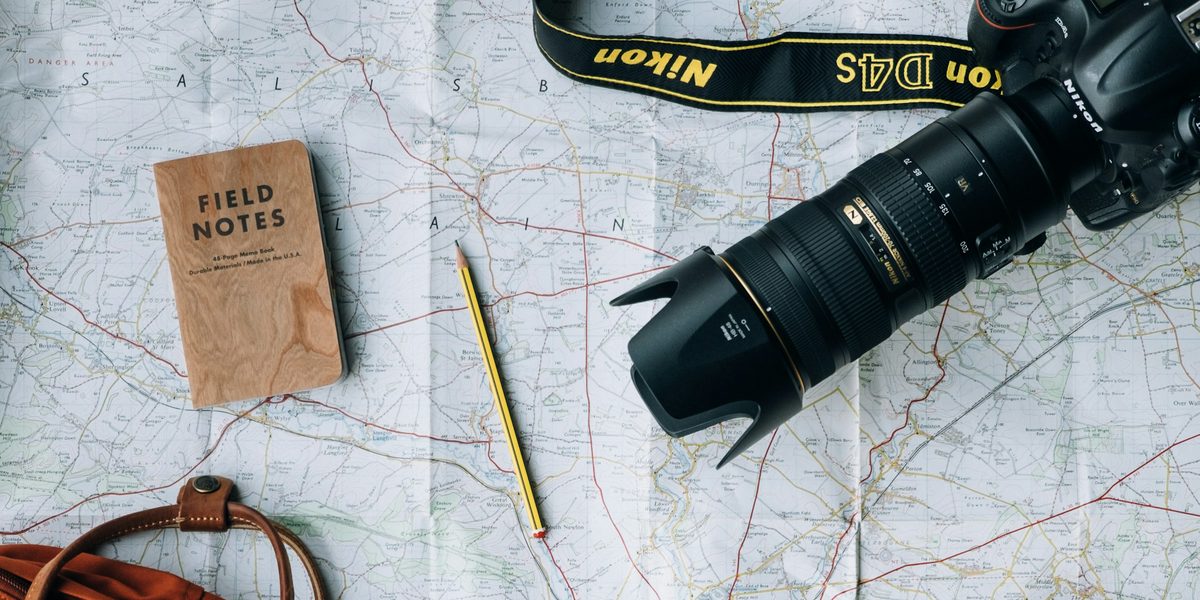
Markets overflow with color and smoke. A light cross-body bag keeps hands free for bargaining. Water, camera, change. Done.
Electronics & Gadgets

Outlets here favor European Type C and Type E plugs. One universal adapter solves the hunt.

Lights flicker without warning. A power bank keeps phones alive for maps and memories.
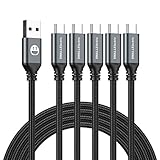
Cables bend and fray with constant plugging. Carry spares. Avoid dead-device panic.
Voltage spikes happen. An increase protector shields laptops and turns one socket into four.
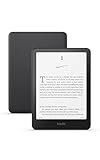
Buses crawl. WiFi stalls. An e-reader holds a library offline. Sanity saver.
Toiletries & Health

Cuts, blisters, upset stomachs strike fast. A small kit beats hunting pharmacies at dusk.

Solid shampoo bars never leak. They last weeks and weigh nothing.

Humidity warps pill packets. A hard case keeps doses dry and sorted.

TSA wants liquids clear. One quart zip bag speeds the line and traps spills.
Documents & Security

Passport, visa, yellow fever certificate. One waterproof sleeve keeps them crisp and ready.

Markets are tight. A slim money belt hides cash and cards under your shirt.

Lock your pack. Lock your drawer. Small deterrent, big payoff.
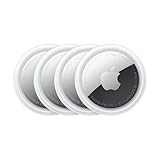
Flights reroute. Bags vanish. A tracker shows where your luggage wanders.
Comfort & Convenience

Sun rises early. Hotel lights glare. A mask buys extra hours of sleep.

Crickets scream. Motorbikes roar. Earplugs buy silence for light sleepers.

Fold it flat. Fill it safe. Stay hydrated. Repeat.

Markets hand out thin plastic. Bring a tote. Stronger. Greener.
Outdoor & Hiking Gear
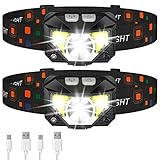
Power cuts plunge streets into black. A headlamp guides you to your tent or toilet.

Streams look clear. They are not. A filter straw turns risky water into safe sips.
Seasonal Packing Adjustments
What to add or skip depending on when you visit
Dry Season
June, July, August, September
Add: Lip balm, Moisturizer, A light scarf for dust
Shop Dry Season essentials →Skip: Heavy rain jacket
Dry season skies glow hazy. Dust coats your arms. Pack a light jacket for cool nights.
Wet Season
October, November, December, March, April, May
Add: Quick-dry towel, Sturdy waterproof sandals, Waterproof bag covers
Shop Wet Season essentials →Rain arrives like a drum solo. Streets become rivers. Waterproof shoes save the day.
Luggage Recommendation
Choose a lockable, medium suitcase or a 40L travel backpack. Wheels glide through Kinshasa streets yet bog down on unpaved paths. Internal flights cap weight low. Maneuverability wins. Pack a fold-flat daypack for daily excursions. Durability matters more than size.
Shop Carry-On Luggage on AmazonPro Packing Tips
Practical advice from experienced travelers
Don't Pack
- Leave flashy watches at home. They invite trouble in crowds.
- Jeans soak up sweat and never dry. Skip them.
- Big shampoo bottles weigh you down. Solid bars are smarter.
- A bulky parka is overkill. Fleece plus shell equals warmth and flexibility.
- You will not need a tux. One smart-casual outfit covers dinners and meetings.
Buy Locally
- Pagne fabrics blaze with color. Marché de la Liberté in Kinshasa sells them cheap.
- Roadside stalls sell sweet mangoes and pineapples. Cheap, juicy, perfect.
- Grab a local SIM from Vodacom or Orange. Kiosks line N'djili Airport and city centers. You will slash roaming costs. Better mobile data rates start the moment you land.
Packing Hacks
- Roll clothes instead of folding to save space
- Pack shoes in shower caps to protect clothes
- Use packing cubes to stay organized
- Keep essentials in your carry-on
Continue Planning Your Trip
More guides to help you prepare
Ready to plan your trip to Democratic Republic of the Congo?
Now that you've got the research covered, here's where to go next.
Top Things to Do
Curated attractions, tours, and experiences in Democratic Republic of the Congo.
Browse activities →Where to Stay
Best neighbourhoods and hotels for every budget.
Find hotels →When to Visit
Month by month weather, crowds, and prices in Democratic Republic of the Congo.
Pick your month →